 |
|
   |
|
|
அகல் விளக்கு (www.agalvilakku.com) - தற்போதைய வெளியீடு :
திண்டுக்கல் பாதாள செம்பு முருகன் கோவில் |
சென்னை நெட்வொர்க் (www.chennainetwork.com) - தற்போதைய வெளியீடு :
காகம் (Crow) |
தேவிஸ் கார்னர் (www.deviscorner.com) - தற்போதைய வெளியீடு : அத்திப் பழம் - Fig |
தமிழ் திரை உலகம் (www.tamilthiraiulagam.com) - தற்போதைய வெளியீடு :
எண்ணி இருந்தது ஈடேற - அந்த 7 நாட்கள் (1981) |
SolidWorks training files are more than just sample parts. They are structured, graded, and practical datasets designed to teach specific skills—from sketching constraints to surface modeling and sheet metal fabrication. In this article, we will explore what these files are, where to find official and community sources, how to use them effectively, and why they are the fastest path from novice to certified professional.
Training files are categorized by the complexity of the design tasks they represent:
In "Advanced" he found the pulse of risk and reward: assemblies with dozens of mates, motion studies with tiny collisions resolved by clever mates, and a parametric suspension arm annotated for finite-element runs. One folder contained a full sheet-metal enclosure for an open-source guitar effects pedal, complete with mounting bosses and bend tables. The final file, named "exam_prep.SLDPRT," felt like a manifesto: complex patterns, derived sketches, equations that turned shape into behavior.
| Certification | Required Training File Types | Key Features to Master | | :--- | :--- | :--- | | | Basic prismatic parts, simple assemblies (5-10 parts), orthographic drawings. | Extrudes, cuts, fillets, chamfers, mass properties. | | CSWP (Professional) | Configurations, design tables, in-context assemblies, swept cuts. | Multibody parts, equations, global variables. | | CSWPA-SM (Sheet Metal) | Files with flange, hems, jogs, and flat patterns. | K-factor, rip features, forming tools. | | CSWPA-SU (Surfacing) | Lofted surfaces, boundary surfaces, knit & thicken files. | Curvature continuity, trimming, extending surfaces. |
வீடியோ வெளியீடுகள் |
|
SolidWorks training files are more than just sample parts. They are structured, graded, and practical datasets designed to teach specific skills—from sketching constraints to surface modeling and sheet metal fabrication. In this article, we will explore what these files are, where to find official and community sources, how to use them effectively, and why they are the fastest path from novice to certified professional.
Training files are categorized by the complexity of the design tasks they represent: solidworks training files
In "Advanced" he found the pulse of risk and reward: assemblies with dozens of mates, motion studies with tiny collisions resolved by clever mates, and a parametric suspension arm annotated for finite-element runs. One folder contained a full sheet-metal enclosure for an open-source guitar effects pedal, complete with mounting bosses and bend tables. The final file, named "exam_prep.SLDPRT," felt like a manifesto: complex patterns, derived sketches, equations that turned shape into behavior. SolidWorks training files are more than just sample parts
| Certification | Required Training File Types | Key Features to Master | | :--- | :--- | :--- | | | Basic prismatic parts, simple assemblies (5-10 parts), orthographic drawings. | Extrudes, cuts, fillets, chamfers, mass properties. | | CSWP (Professional) | Configurations, design tables, in-context assemblies, swept cuts. | Multibody parts, equations, global variables. | | CSWPA-SM (Sheet Metal) | Files with flange, hems, jogs, and flat patterns. | K-factor, rip features, forming tools. | | CSWPA-SU (Surfacing) | Lofted surfaces, boundary surfaces, knit & thicken files. | Curvature continuity, trimming, extending surfaces. | Training files are categorized by the complexity of
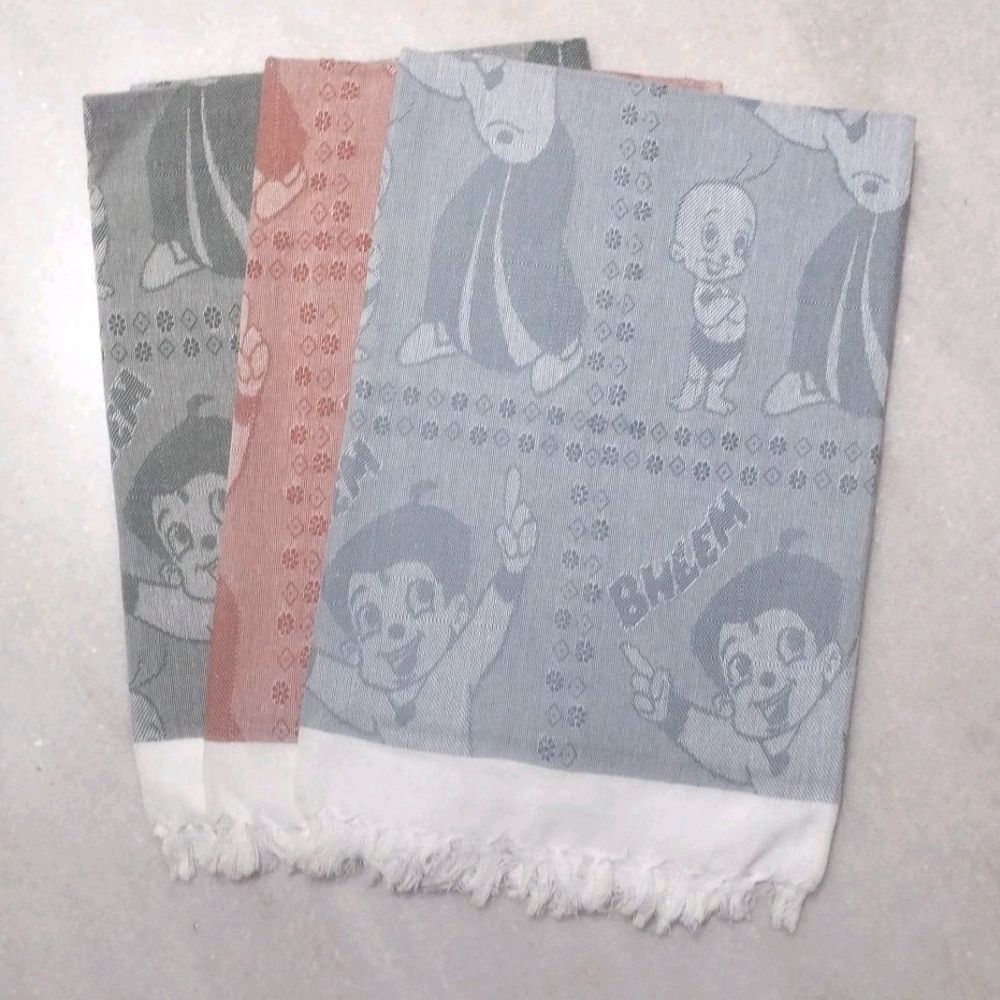
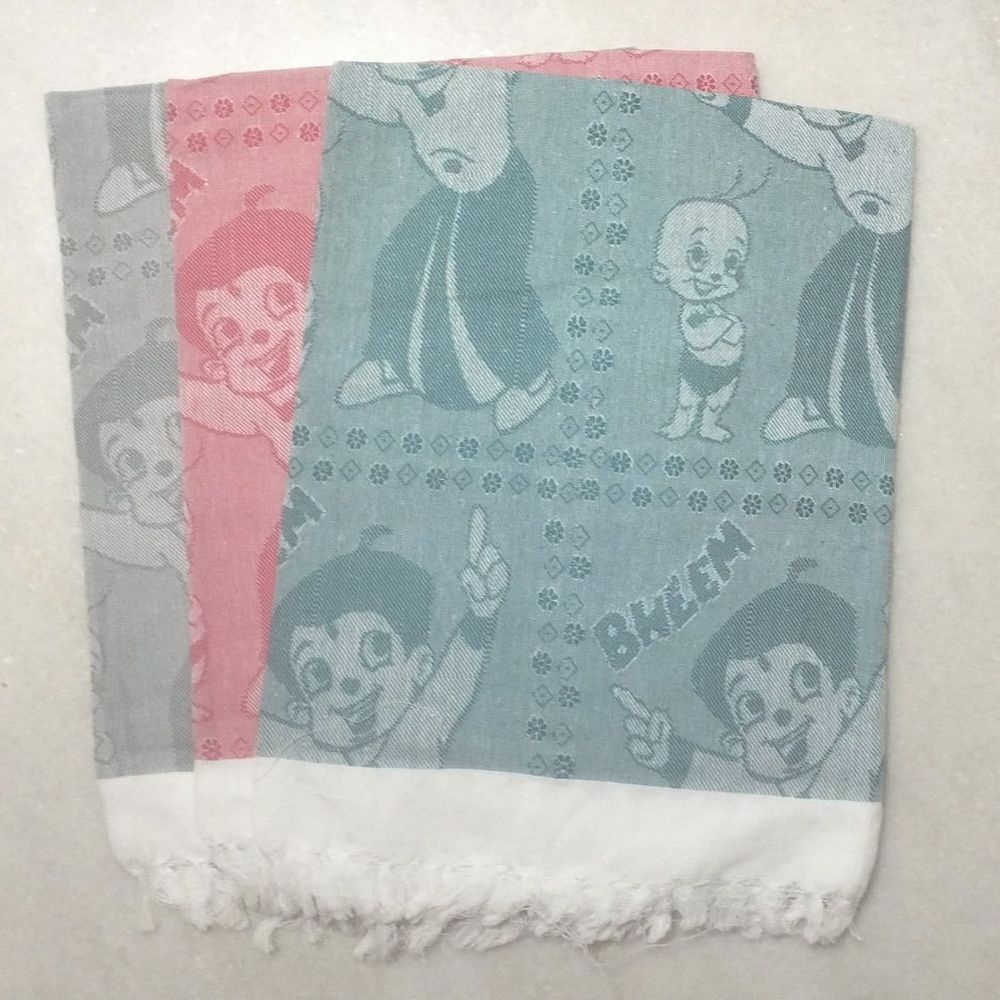
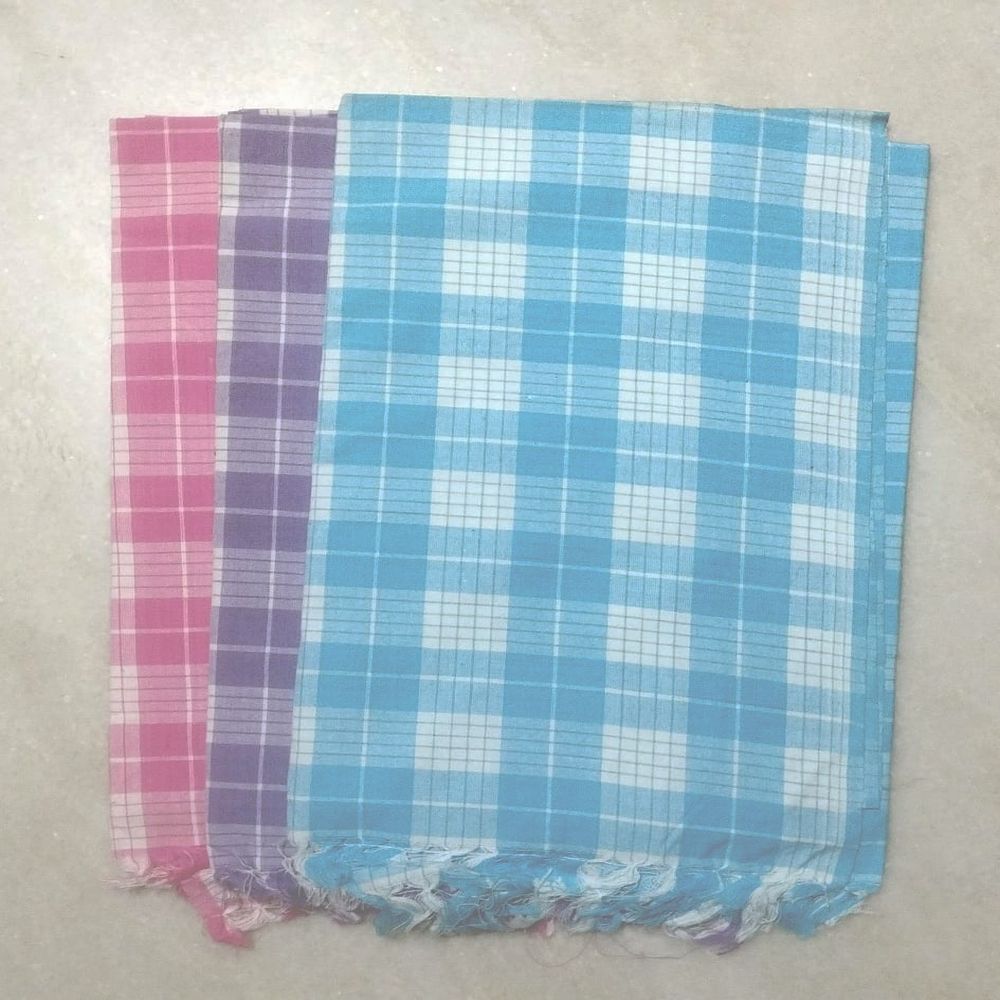
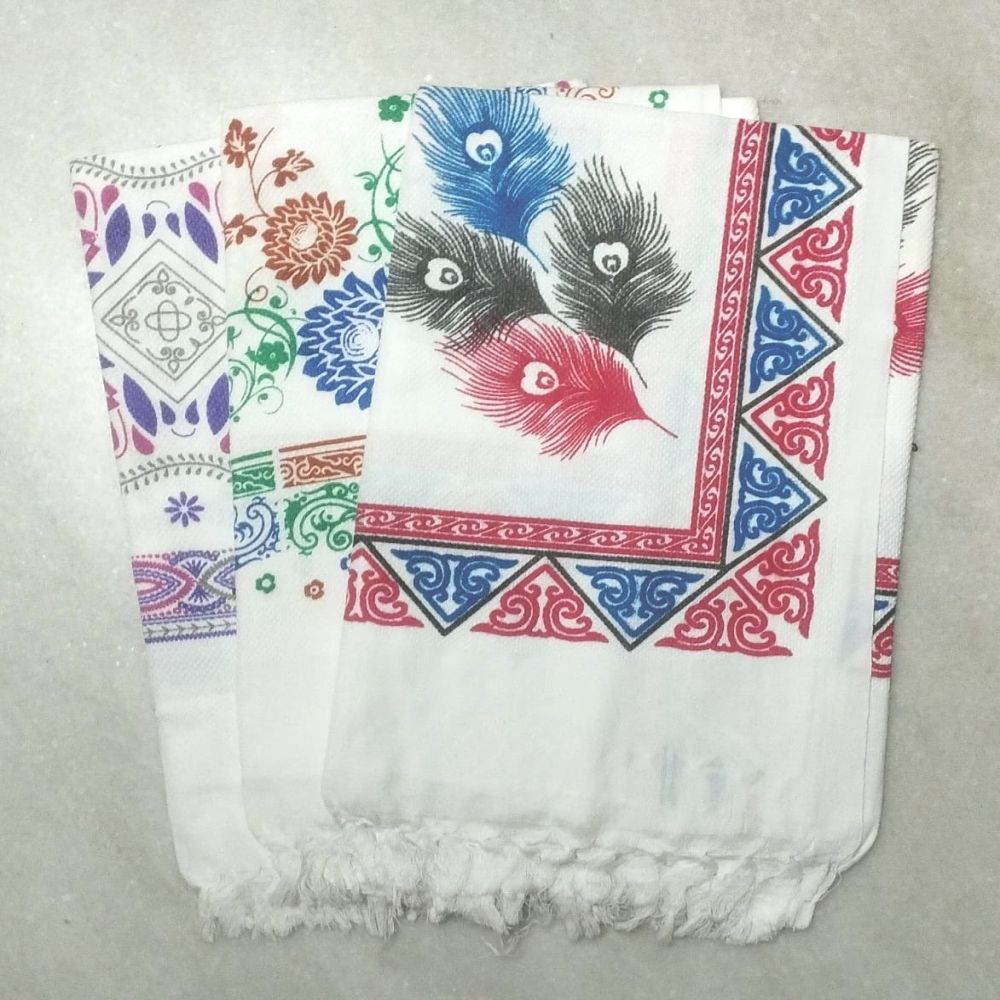
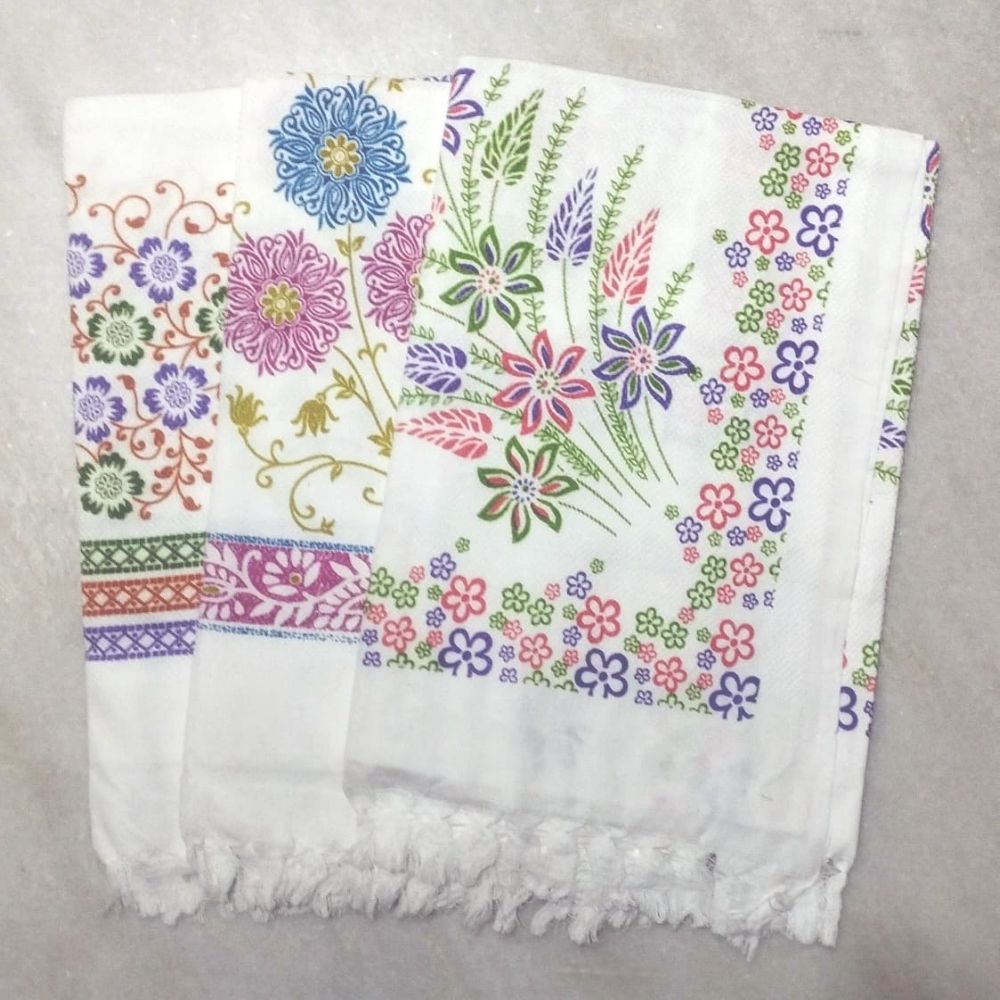
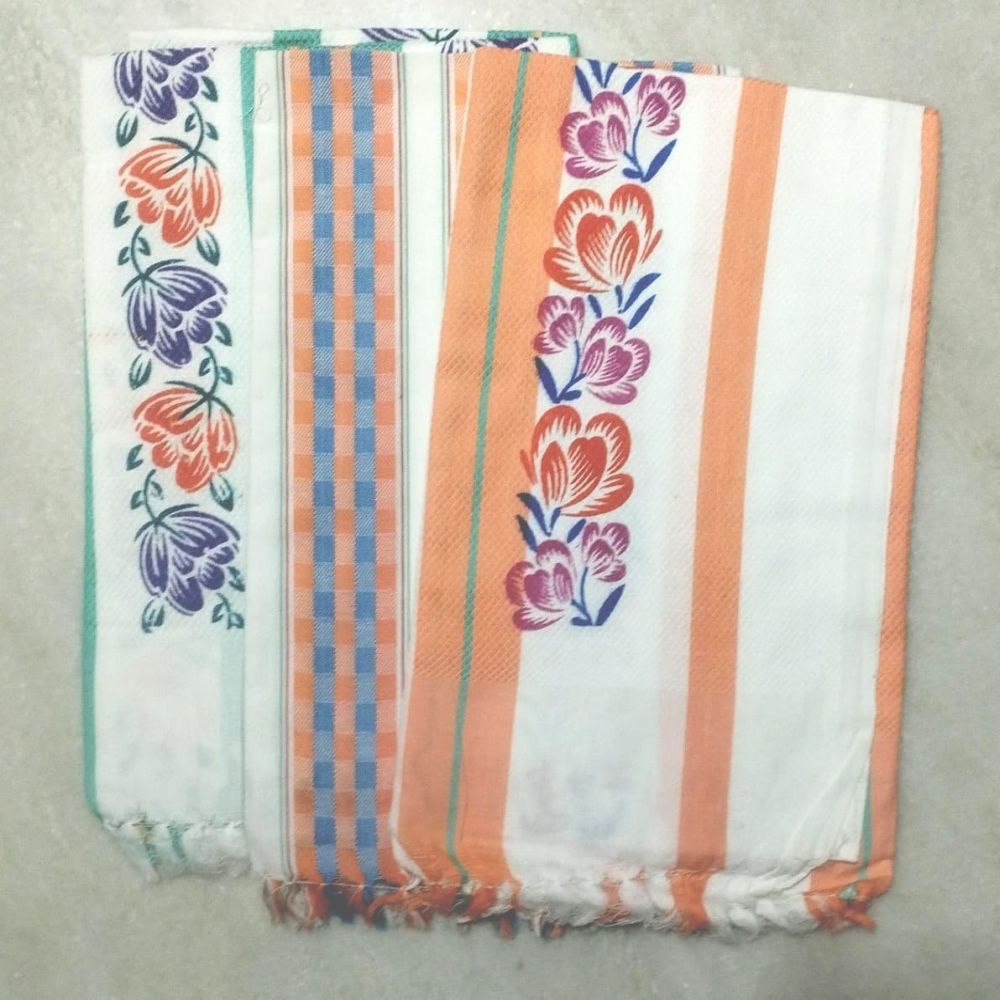
Cotton Bath Towels (Dharanish Mart - www.dharanishmart.com)
Set of 3 Towels | Big Size 29 x 55 Inch (73 x 139 cm) | MRP: Rs. 333/- | Discount Price: Rs. 300/- | Shipping: Free | Total Rs. 300/-
|
|
|
To Order: whatsapp: 9444086888 | To Pay: GPAY/ UPI Id: dharanishmart@cub
|
தரணிஷ்மார்ட் - www.dharanishmart.com (அனைத்து பதிப்பக நூல்கள் 10% தள்ளுபடியுடன்) |
|
GPay / UPI ID: dharanishmart@cub | பேசி: +91-9444086888 (Whatsapp)
|
© 2025 தமிழ்திரைஉலகம்.காம் | எங்களைப் பற்றி | தொடர்புக்கு | பொறுப்பாகாமை அறிவிப்பு | ரகசிய காப்பு கொள்கை |