The future of LGBTQ culture is inherently trans. As young people increasingly identify outside the cisgender norm, the old boundaries between "gay," "bi," and "trans" are blurring. We are moving toward a culture where identity is understood as a personal landscape rather than a fixed dot on a map.
The origins of shemale cartoon tube can be traced back to the early days of animation, when studios began experimenting with different styles and themes. However, it wasn't until the rise of online platforms and social media that this genre gained significant traction. The widespread availability of animation software and the growth of online communities enabled creators to produce and share their content with a global audience. shemale cartoon tube
: The term "transgender" gained traction in the 1960s, popularized by activists like Virginia Prince to distinguish gender identity from biological sex. By the 2000s, the transgender community became more formally integrated into the wider LGBT rights movement. American Psychological Association (APA) The LGBTQ Cultural Fabric The future of LGBTQ culture is inherently trans
One cannot speak of modern LGBTQ culture without acknowledging the riots that birthed the Pride movement. The Stonewall Inn uprising of 1969 is frequently mythologized as a gay rights movement, but the frontline fighters were predominantly trans women of color and drag queens. The origins of shemale cartoon tube can be
While LGBTQ+ spaces (bars, pride parades, community centers) offer relative safety, trans people often face unique forms of intra-community tension:
Understanding the transgender community and broader LGBTQ+ culture involves exploring a rich history of resilience, shared values, and ongoing advocacy for human rights. Core Values and Culture
%20(8).jpg)
Start Ashtanga yoga with these 10 easy beginner-friendly poses. Clear instructions, modifications, and benefits. No experience needed - practice today!

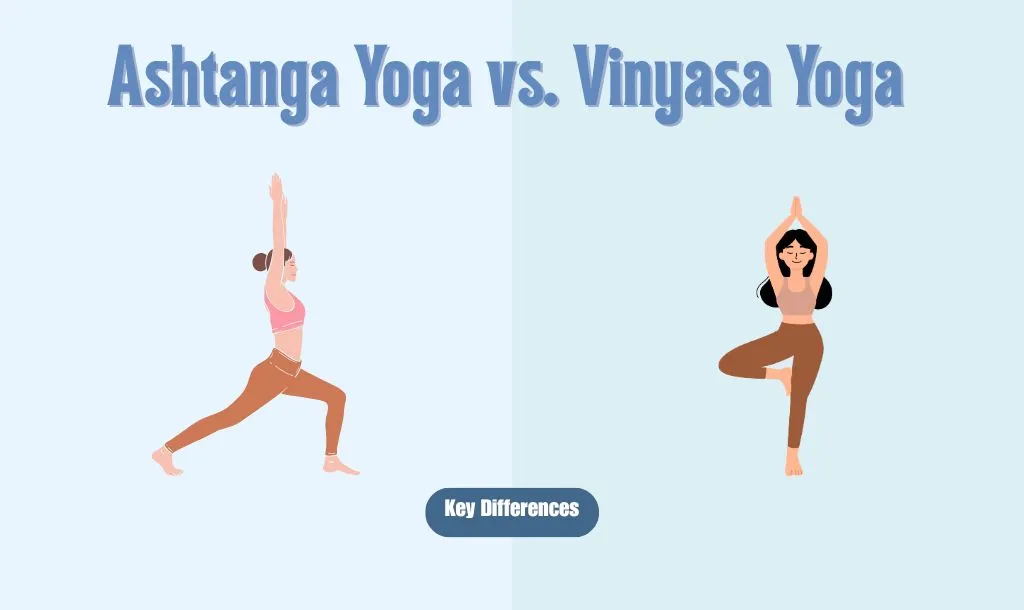
Ashtanga vs. Vinyasa yoga: Learn how these yoga styles differ in flow, structure, and philosophy. Find the perfect fit for your journey and goals!
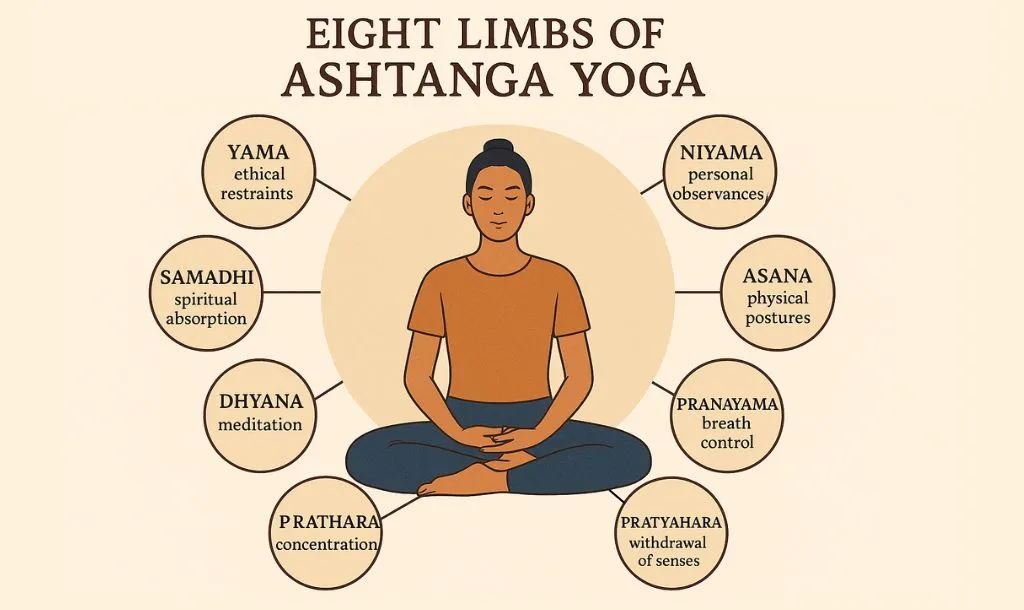
Discover the 8 limbs of Ashtanga Yoga from Patanjali's ancient wisdom. Learn each limb's meaning and how to apply it in modern practice. Start your journey today!


© Copyright 2025 MyYogaTeacher Inc