
0%
Filled with laugh-out-loud hilarious text and cartoons, the Diary of a Wimpy Kid series follows Greg Heffley as he records the daily trials and triumphs of friendship, family life and middle school where undersized weaklings have to share the hallways with kids who are taller, meaner and already shaving! On top of all that, Greg must be careful to avoid the dreaded CHEESE TOUCH!
The first book in the series was published in 2007 and became instantly popular for its relatable humor. Today, more than 300 million copies have been sold around the world!
: Traditionally, families in India are multigenerational , often including grandparents, parents, and siblings living under one roof. While nuclear families are becoming more common in urban centers, the "extended family" remains a primary social and financial safety net.
The next few days were a whirlwind of exploration. Savita visited the historic churches of Old Goa, marvelling at their architectural grandeur. She took a boat ride through the backwaters, watching the local fishermen at work. She even tried her hand at a Goan cooking class, learning the secrets of making a perfect vindaloo.
The character of Savita Bhabhi has been a subject of discussion in media studies regarding its impact on Indian pop culture. Appearing first in the late 2000s, the series became a point of controversy and was eventually banned by the Indian government in 2009 under the Information Technology Act. Despite the ban, the character has been analyzed by scholars for its portrayal of female agency and its defiance of traditional domestic roles in a patriarchal society. Narrative Structure
The episode highlights Savita’s shift from her typical domestic setting to a vacation environment, emphasizing themes of leisure and personal exploration. Visual Style: True to the series, this part is noted for its vibrant beach settings
Today, the Indian family lifestyle is changing. You will see a grandmother reciting the Ramayana while a granddaughter watches a Korean drama on a tablet at the same dining table.
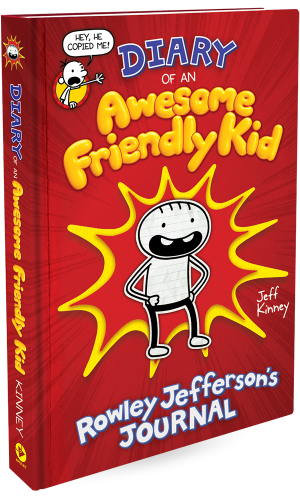
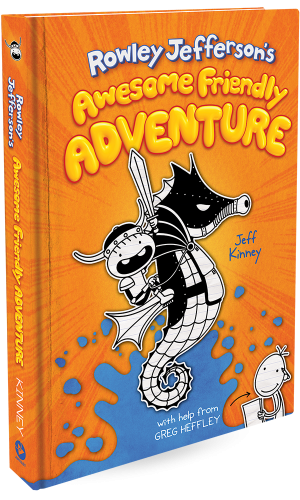
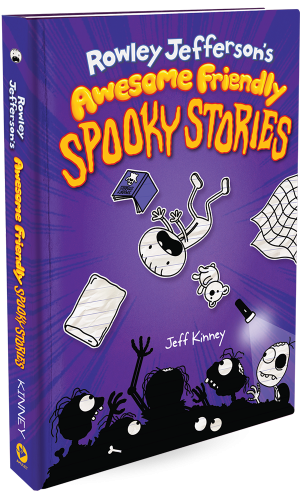
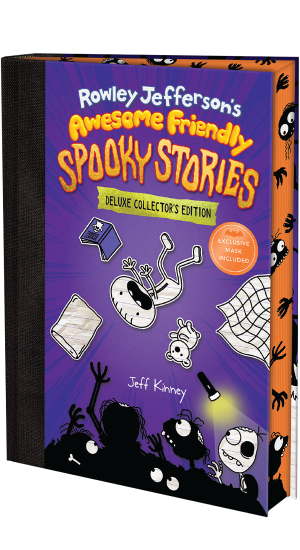
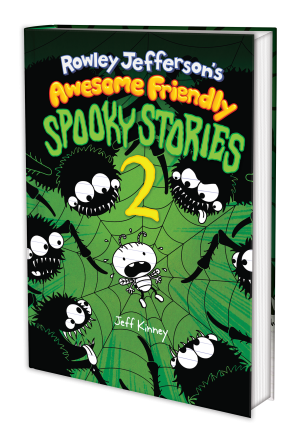
Get ready to see the Wimpy Kid world in a whole new way! Written and illustrated from the hilarious imagination of Greg Heffley’s best friend, Rowley Jefferson, the Awesome Friendly Kid series is filled with new adventures and vibrant stories that will have readers in stitches!
Click or scroll
through the books
savita bhabhi in goa part 1
: Traditionally, families in India are multigenerational , often including grandparents, parents, and siblings living under one roof. While nuclear families are becoming more common in urban centers, the "extended family" remains a primary social and financial safety net.
The next few days were a whirlwind of exploration. Savita visited the historic churches of Old Goa, marvelling at their architectural grandeur. She took a boat ride through the backwaters, watching the local fishermen at work. She even tried her hand at a Goan cooking class, learning the secrets of making a perfect vindaloo.
The character of Savita Bhabhi has been a subject of discussion in media studies regarding its impact on Indian pop culture. Appearing first in the late 2000s, the series became a point of controversy and was eventually banned by the Indian government in 2009 under the Information Technology Act. Despite the ban, the character has been analyzed by scholars for its portrayal of female agency and its defiance of traditional domestic roles in a patriarchal society. Narrative Structure
The episode highlights Savita’s shift from her typical domestic setting to a vacation environment, emphasizing themes of leisure and personal exploration. Visual Style: True to the series, this part is noted for its vibrant beach settings
Today, the Indian family lifestyle is changing. You will see a grandmother reciting the Ramayana while a granddaughter watches a Korean drama on a tablet at the same dining table.