Oligoscan is an innovative medical device
Physiological imbalance screening. Non-invasive, no blood test needed.
Learn moreOligoscan easy to use
A quick evaluation of minerals and toxic metals in the palm of the hand.
Learn moreScreening of physiological imbalances helps better health control and trace minerals overall wellbeing.

Excess and deficiency in minerals
A risk of toxic metals poisoning
Responsible for aging and numerous other diseases
Instant measurements of minerals, trace elements, oxidative stress and toxic metals.
Oligoscan can be used by all health specialists allowing for rapid and pain free analysis.
The measurement is taken directly by a portable spectrometer connected to a computer
The technology is based on spectroscopy
Evaluation of trace minerals reserves, the level of oxidative stress and toxic metals
Non-invasive measurement taken in situ
The record provided allows for detection of trace elements and minerals deficiencies as well as high rate of toxic metals in the body.
Oligoscan is now used by health professionals in many countries as a solution whenever a quick and accurate analysis of the level of trace elements, minerals and toxic metals is needed.
The Oligoscan uses optical technology : spectrophotometry.
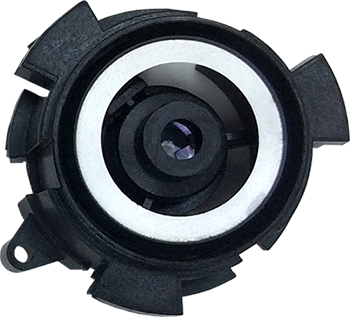
This is a quantitative analytical method of measuring the absorption or the optical density of a chemical.
It is based on the principle of absorption, transmission or reflection of light by the chemical compounds over a certain wavelength range.
Spectrophotometry is used in many areas : chemicals, pharmaceuticals, environment, food, biology, medical / clinical, industrial and others.
In the medical field, spectrophotometry is used to examine blood or tissue.
The Oligoscan is a reliable and scientifically proven tool..
A set of tests and comparative studies have been made by researchers highlighting a correlation between the results of the Oligoscan and those performed in the laboratory.

Effective programs move away from clinical lectures and toward skill-building and reflection. Puberty initiates cascading relationships between ... - PMC
Note: In 1991, the term STD (Sexually Transmitted Disease) is currently replacing the older term VD (Venereal Disease).
Puberty education has traditionally focused on the biological mechanics of development, such as hormonal changes, menstruation, and reproductive health. While these physiological facts are essential, a modern approach must expand to include the psychological and social dimensions of growing up. Integrating education on interpersonal relationships and romantic storylines into puberty curricula is vital for helping adolescents navigate the shift from childhood friendships to complex emotional intimacy. By teaching young people how to identify healthy relationship dynamics and decode the romantic narratives they encounter in media, educators can provide a roadmap for safe, respectful, and fulfilling connections.
INT. CLASSROOM – DAY Ms. Henderson, a school nurse in her 40s, stands by a flip chart with drawings of a boy and a girl. Thirteen-year-old Chris raises his hand.
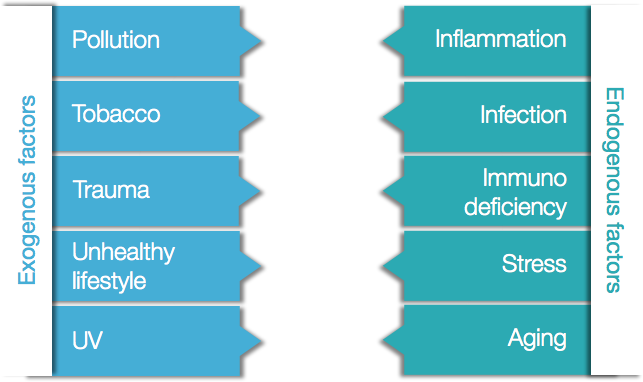
Free radicals are molecules produced in small amounts by the body. These free radicals are very reactive substances, capable of damaging the components of the cells (enzyme proteins, lipid membranes, DNA).
Their production is particularly stimulated by the exposure to sunlight (UV), tobacco, pollution, pesticides, etc.
A diet rich in antioxidants, particularly found in some fruits and vegetables, is essential in fighting free radicals.
Some scientific references :
Effective programs move away from clinical lectures and toward skill-building and reflection. Puberty initiates cascading relationships between ... - PMC
Note: In 1991, the term STD (Sexually Transmitted Disease) is currently replacing the older term VD (Venereal Disease).
Puberty education has traditionally focused on the biological mechanics of development, such as hormonal changes, menstruation, and reproductive health. While these physiological facts are essential, a modern approach must expand to include the psychological and social dimensions of growing up. Integrating education on interpersonal relationships and romantic storylines into puberty curricula is vital for helping adolescents navigate the shift from childhood friendships to complex emotional intimacy. By teaching young people how to identify healthy relationship dynamics and decode the romantic narratives they encounter in media, educators can provide a roadmap for safe, respectful, and fulfilling connections.
INT. CLASSROOM – DAY Ms. Henderson, a school nurse in her 40s, stands by a flip chart with drawings of a boy and a girl. Thirteen-year-old Chris raises his hand.