
Real Submitted Xxx Moms Hot _verified_ -
Your mobile phone is finally free! With TextMe Up, your phone service works just like your email.


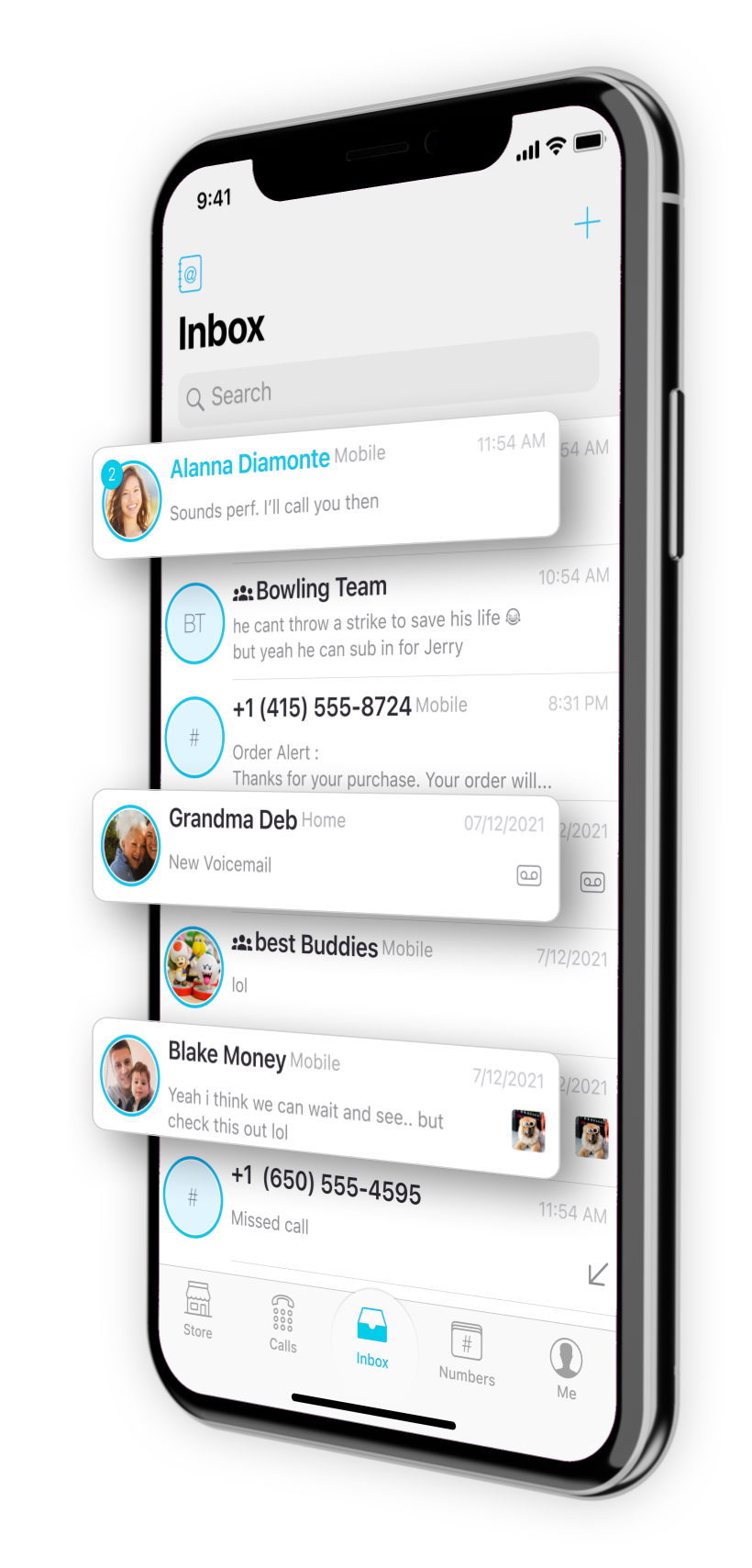
Your mobile phone is finally free! With TextMe Up, your phone service works just like your email.
The ecosystem for real, user-submitted "mom" content has evolved from simple personal blogs into a multi-billion dollar industry driven by authenticity and high engagement. This "mominfluencer" culture thrives on a mix of parenting hacks, relatable comedic reels, and deep emotional storytelling across various digital platforms. Popular Platforms for Mom Content
The evolving landscape of digital media has ushered in a significant shift in how audiences consume and relate to maternal narratives. At the heart of this transformation is the rise of real submitted moms entertainment content and popular media, a genre that prioritizes raw, unpolished experiences over the idealized versions of motherhood often portrayed in traditional television and cinema. The Shift Toward Authenticity For decades, popular media relied on the trope of the perfect mother—a figure who balanced household management, career, and childcare with effortless grace. However, the emergence of social media platforms and user-generated content has dismantled this stereotype. Real submitted content allows mothers to share their lives in real-time, highlighting the chaotic, humorous, and sometimes exhausting realities of parenting. This shift has created a profound sense of community among viewers who see their own struggles reflected in the digital space. Defining Submitted Content Submitted content typically refers to videos, essays, photos, and stories provided directly by parents to digital platforms or media outlets. This category includes: Viral home videos capturing "real-life" parenting fails or milestones. Personal essays submitted to parenting blogs and digital magazines. Crowdsourced advice and storytelling on platforms like Reddit or Instagram. Call-in segments on podcasts where mothers share anonymous anecdotes. 🪞 This content acts as a mirror, reflecting a diverse range of experiences that traditional Hollywood scripts often overlook. Popular Media and the "Relatable Mom" Trend Television and film have taken note of the demand for authenticity. Shows like Working Moms , Better Things , and The Letdown draw heavily from the aesthetics and themes found in real submitted content. These productions often consult real mothers or incorporate user-shared anecdotes to ensure the dialogue and scenarios feel earned rather than manufactured. Key Themes in Modern Maternal Media The Mental Load: Discussing the invisible labor of managing a household. Career Tension: Navigating the "sandwich generation" or returning to work. Identity Loss: Exploring who a woman is outside of being a "mom." Humor in Chaos: Using comedy to cope with the unpredictability of toddlers and teens. The Role of Digital Communities The synergy between real submitted content and popular media is most visible in digital communities. Facebook groups, TikTok trends, and subreddits serve as the primary source material for what eventually becomes "viral." When a mother submits a video of a messy playroom or a candid "day in the life" vlog, it often sparks a global conversation that larger media outlets eventually pick up. This bottom-up approach to content creation ensures that the narratives remain grounded. It bypasses the gatekeepers of traditional media, allowing marginalized voices—including LGBTQ+ moms, single parents, and moms of color—to define their own stories and reach a sympathetic audience. Future Outlook As technology continues to democratize content creation, the line between the "creator" and the "audience" will continue to blur. We can expect popular media to become even more interactive, perhaps integrating real-time submissions into live broadcasts or docuseries. The appetite for perfection is waning; the hunger for the real, the submitted, and the shared is only growing.
The landscape of "real submitted moms entertainment content" in 2026 reflects a major shift away from polished "alpha-mom" aesthetics toward raw, human authenticity . As audiences face "AI fatigue," there is a growing demand for human-curated content that reflects the messy, realistic side of motherhood. Trending Content Formats & Media Searchable "Shorts" & Story-Building "Longs" : Short vertical videos (Reels, TikTok) remain the primary discovery format, while long-form content is regaining value on platforms like Reddit, Quora, and personal blogs for deeper connection and SEO. The "Experience Economy" : Entertainment is shifting from passive viewing to immersive experiences, such as interactive films and hybrid live events where creators meet their communities face-to-face. Micro-Communities : Parents are moving away from broad feeds toward hyperlocal, trusted private groups (WhatsApp, Discord) for genuine advice and recommendations. Popular Media Personalities (2026) Influencers are transitioning from mere "posters" to full-scale media entities. All Things Insights Parenting Experts : Leaders like Kristin Gallant Deena Margolin (@biglittlefeelings) Dr. Becky Kennedy (@drbeckyatgoodinside) lead the trend of evidence-based, supportive parenting media. Lifestyle & Humor Creators Solyne (@princessesolyne) : Known for authentic family vlogs and wellness tips. Sarah (@mumlife_baby) : Shares "slices of life" that resonate with young mothers seeking sincerity. Sulbha Bathwal (@twinsandmamatalks) : A rising voice in the "real-talk" mom blogger category. plateforme YOO Core 2026 Themes
Title: The 10-Minute Rule: How I Stopped Fighting the Screen and Started Curating the Chaos By Jessica, 41, mom of three (ages 4, 7, and 12) I used to think “mom entertainment” meant watching The Bachelor after the kids went to bed with a glass of wine that was really just a prop. I judged the other moms at pickup who admitted their toddlers knew how to swipe before they could use a spoon. Then, last March, during the great stomach flu of 2024, I let my four-year-old watch Cocomelon for four straight hours while I lay on the kitchen floor. I stopped judging. Here is the reality of submitted entertainment in my home—the good, the viral, and the terrifying. The "Bluey" Effect Everyone told me Bluey was a parenting class disguised as a cartoon. They were wrong. It’s a therapy session. Last week, my seven-year-old paused the episode "Sleepytime" to look at me with wet eyes and say, "Mom, is Jupiter hard to hug?" We ended up crying on the couch together. That is not passive consumption; that is emotional processing. I submit that Bluey has done more for my kids’ emotional intelligence than any feelings chart their school sends home. The "Mrs. Rachel" Apology I was a hater. I thought Ms. Rachel’s speech therapy baby voice was grating. Then my four-year-old, who had a minor language delay, looked at me during a meltdown and signed "more" and "help" exactly the way she taught him. I owe that woman a fruit basket. Is it weird that my son now calls me "Buh-Buh" instead of Mom? Yes. But he is talking . I submit that popular media, when used correctly, is a co-teacher. We just have to sit next to them. The Mom-Fluencer Movie Night My twelve-year-old has started watching "commentary" YouTubers who talk over old High School Musical movies. I thought this was brain rot until I realized she was learning media literacy. She paused a video to tell me, "Mom, this guy is pointing out that Sharpay isn't actually the villain, she's just ambitious." My daughter now dissects the male gaze in Percy Jackson . I didn't teach her that. The algorithm did. Submitted for approval: Is a snarky TikTok recap of Love Is Blind actually a modern feminist text? The Thing I Hide I still watch Real Housewives . Not because I care about their charity galas, but because there is a perverse comfort in watching wealthy women scream about a stolen cheese platter while I am folding laundry for a family who will leave those clothes in a pile on the floor. It makes my chaos feel quiet. It is my junk food. I submit that we need to stop pretending we are only watching PBS documentaries. We are watching a woman flip a table in New Jersey. And that is valid. The Verdict Popular media isn't rotting my kids' brains. It's giving me a break. It's giving my daughter a vocabulary for satire. It's giving my son a friend who talks slowly and teaches him how to say "I need space." The real submission? Stop hiding the remote. Just curate the playlist, set the 10-minute timer for the scary stuff, and for the love of God, watch Bluey with the subtitles on. You’ll learn something. — Submitted by a mom who is currently watching a Minecraft YouTuber scream at a block of dirt and calling it "family bonding." real submitted xxx moms hot
Getting real about motherhood isn't just a trend; it's a movement. Today, "Real Submitted Moms" content—those unfiltered, often messy, and hilariously honest glimpses into daily life—is redefining how we consume entertainment and popular media. The Shift from Perfection to Reality For decades, media portrayals of motherhood were limited to two extremes: the "Perfect Homemaker" or the "Stressed-out Mess." Neither felt particularly authentic. However, the rise of user-submitted content on platforms like Instagram and TikTok has shifted the narrative. We’re no longer looking for curated nurseries; we’re looking for the mom who just found a three-week-old chicken nugget in her handbag. Why We Can’t Stop Watching What makes this content so addictive? Relatability. When a mom submits a video of her toddler’s public meltdown or a photo of her "dinner" (which is just the leftovers from her child’s plate), it creates an instant community. It tells other parents, "You aren't alone, and you’re doing just fine." Impact on Popular Media This "real mom" energy has leaked into mainstream entertainment. Shows like Working Moms or Better Things and movies like Bad Moms owe their success to this appetite for raw honesty. Advertisers are also taking note, ditching soft-focus laundry commercials for campaigns that acknowledge the chaos of real life. The New Digital Village In the past, parenting advice was passed over fences. Today, it’s shared through viral reels and submitted stories. This digital village provides more than just entertainment; it offers a sense of solidarity that traditional media often misses. By embracing the "real," we’re finally seeing motherhood for what it truly is: a beautiful, exhausting, and often ridiculous journey that is better shared than hidden.
If you provide me with more context or a clear topic, I'll do my best to assist you in writing a well-structured and informative essay.
The landscape of "real mom" content has shifted from the polished "Pinterest-perfect" era to a movement rooted in raw authenticity and community-driven storytelling. Today’s media is increasingly dominated by real, submitted experiences that challenge traditional stereotypes and provide a digital lifeline for modern parents. The Rise of the "Non-Aesthetic" Mom Social media has seen a surge in hashtags like #nonaestheticmom and #realmomlife , where mothers intentionally share the chaotic, messy, and unpolished sides of parenting. Authenticity over Perfection : Creators like Diary of an Honest Mom have built massive followings by prioritizing vulnerability over idealized portrayals, which studies suggest can actually harm maternal mental health by triggering shame and anxiety. User-Generated Relatability : Trends on platforms like TikTok and Instagram Reels—such as the Salt-N-Pepa "Shoop" dance challenge or "candid" vlogs—rely on everyday moms submitting their own versions of domestic life to foster a sense of "we're all in this together". Popular Media and "Momfluencer" Culture Traditional media is slowly catching up to the realism found online. A 2024 report by Moms First and the Geena Davis Institute highlighted that while TV portrayals are improving, they still often lack the diverse, intersectional realities of actual motherhood. At the heart of this transformation is the
The Rise of Real Moms in Entertainment: Authenticity in Media In recent years, there's been a significant shift in the entertainment industry towards more authentic and relatable content. One group that's leading the charge is real moms, who are sharing their experiences, parenting styles, and stories through various media platforms. From Reality TV to Social Media Reality TV shows like "The Real Housewives" franchise and "Mommywood" paved the way for real moms to share their lives with a wider audience. However, with the rise of social media, mom influencers and content creators have become increasingly popular. Platforms like Instagram, YouTube, and TikTok have given real moms a voice and a platform to share their experiences, parenting tips, and personal stories. Popular Mom-Generated Content Some popular types of content created by real moms include:
Parenting blogs and vlogs, where moms share their experiences, tips, and advice on raising children Social media challenges, like the "Mom Challenge" series on Instagram, where moms showcase their parenting skills and humor Product reviews and unboxing videos, where moms share their honest opinions on products and services for parents Personal stories and essays, where moms share their experiences with motherhood, marriage, and life
Influential Mom Creators Some notable mom creators who have made a significant impact in the entertainment industry include: Real submitted content allows mothers to share their
Jessica Alba : Actress and mom of three, who shares her parenting experiences and tips on Instagram Kristen Bell : Actress and mom of two, who writes about her parenting experiences and marriage on her blog Lori Loughlin : Actress and mom of two, who shares her parenting tips and family stories on social media
The Impact of Real Moms in Entertainment The rise of real moms in entertainment has had a significant impact on popular media. It has:
Get TextMe Up on your device...
With TextMe Up call & text anyone in the world from your mobile, tablet, and computer.