"OCTOPATH TRAVELER: Champions of the Continent" launches today! Experience this JRPG masterpiece for free!
//www.neteasegames.com/news/20231207/37000_1124342.html
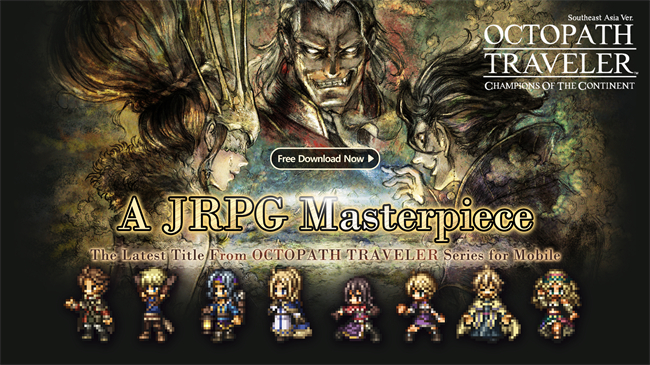
OCTOPATHTRAVELER:ChampionsoftheContinent,thelatestmobileinstallmentofthebelovedOCTOPATHTRAVELERseriesbroughttoyoubySquareEnix,islaunchinginSoutheastAsiatoday!DownloaditforfreeontheiOSAppStoreandGooglePlayandenjoyaconsole-qualitygamingexperienceonyourmobiledevice!
Kohinoor Calendar 1992
on December 6, 1992, was a defining moment in Indian history. The "Mirror Year" Fact
Kohinoor was not merely a timekeeping tool; it was a piece of affordable wall art for the Indian middle class. While aristocratic homes hung oil paintings, the average household, tea stall, and small-town studio displayed Kohinoor calendars. They were famous for three things: kohinoor calendar 1992
In the annals of Indian pop culture, few artifacts evoke as much collective nostalgia as the Kohinoor calendar. Before the advent of smartphones, digital wallpapers, and high-definition screens, the arrival of the new year was heralded by a distinct ritual: the hanging of the fresh, glossy Kohinoor calendar. Among collectors and cultural historians, the holds a particularly sacred place. It stands at a fascinating intersection—between the analog charm of the early 90s and the rapid digitization that would soon follow. on December 6, 1992, was a defining moment in Indian history
The 1992 edition of the Kohinoor Calendar is a nostalgic piece for many who grew up in Pakistan during that era. The calendar features a mix of Islamic and Gregorian calendars, providing dates and important events for both. They were famous for three things: In the
: The annual chariot festival in Puri, usually held in late June or early July. Core Components of the Panjika
Unfortunately, I don't have direct access to images or specific content from the 1992 Koh-i-Noor calendar. However, I can suggest some possible pieces of information that you might find in such a calendar: